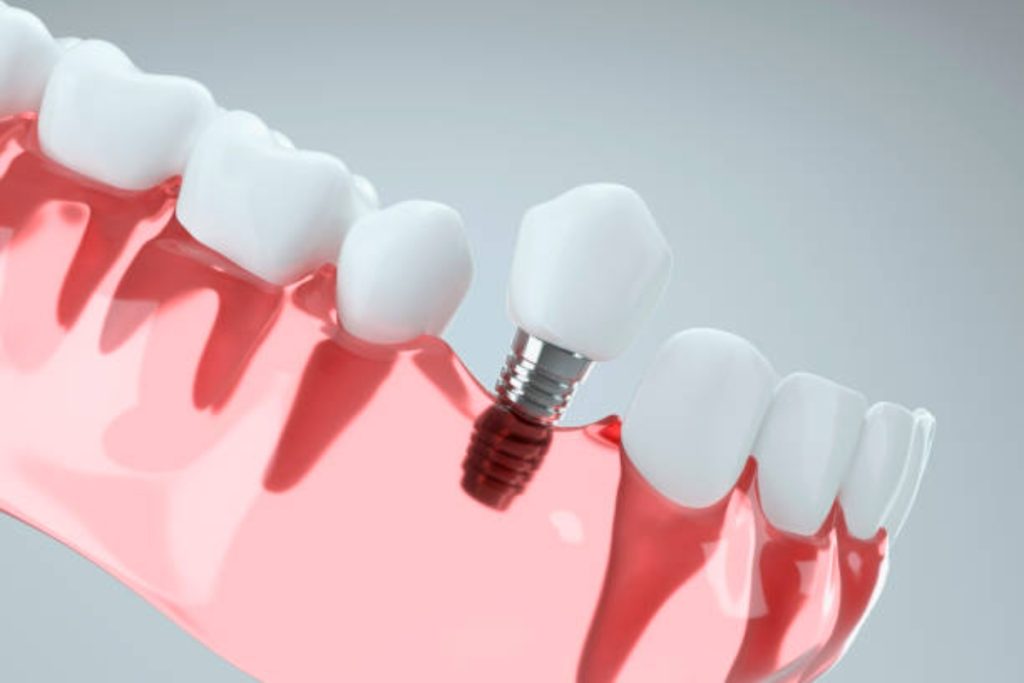
When a tooth is lost, the jawbone inside the tooth no longer receives the pressure it needs to stay strong, which causes it to dissolve and shrink gradually. Dental implants act as artificial roots that provide direct stimulation to the bone through the natural action of chewing.
This process keeps the jawbone active and dense, which helps maintain your facial shape and prevents the sunken look often associated with tooth loss.
How Does Tooth Loss Lead to Bone Shrinkage?
Your jawbone is like a muscle; it needs regular exercise to stay healthy and firm. When you have all your teeth, the roots send signals to the bone every time you bite down, telling the body to keep that bone tissue strong.
If you are considering dental implants in Atlanta, GA, it is likely because you want to stop this “resorption” process before it changes your appearance. Without a tooth root or an implant, the body decides the bone is no longer needed and begins to absorb it back into the system.
What is the Science Behind Jawbone Support?
The reason implants are so effective is due to a biological miracle called osseointegration, where the bone actually grows and fuses to the titanium post. This creates a permanent bond that provides incredible jawbone support from implants by mimicking the way natural roots function. Once this fusion is complete, the implant becomes a structural part of your jaw.
This connection ensures that any force from eating is transferred directly into the bone, keeping the cells healthy and productive.
Why Do Traditional Dentures Fail to Protect the Bone?
Many people assume that wearing a regular denture will keep their jaw from shrinking, but this is unfortunately not the case. Traditional dentures sit on top of the gums and do not interact with the bone at all, which is why dental implants protect the jaw in a way that other options cannot.
In fact, the pressure from a shifting denture can sometimes speed up bone loss by rubbing against the ridge of the jaw. Implants solve this by anchoring into the bone rather than just resting on the surface.
How Do Implants Keep Your Face Looking Youthful?
When the jawbone begins to disappear, the distance between your nose and chin can shorten, leading to sagging skin and premature wrinkles. A dentist in Atlanta can explain how replacing missing teeth with implants preserves the natural height and width of your jaw.
By maintaining the bone’s volume, you provide a solid foundation for your lips and cheeks. This prevents the “collapsed” facial look that often happens to people who have been missing teeth for many years.
Can Implants Encourage New Bone Growth?
In some cases, the presence of an implant helps stabilize and even slightly improve the quality of the bone in that specific area. This is a primary example of how implants prevent bone deterioration by restarting the cycle of bone renewal that stops when a tooth is pulled.
Even if you have already lost some bone, a professional can often perform a graft to rebuild the area before placing the implant. This restorative approach ensures that your mouth remains a healthy environment for your remaining natural teeth.
Is It Easy to Find Professional Implant Care?
Because this procedure involves both surgery and restorative art, you should choose a team that uses the latest digital imaging to plan your treatment. Visiting a dental office near you that specialises in bone health allows for a more predictable and comfortable experience. These modern tools help the clinical team find the thickest part of your bone for the most stable placement.
Taking this step early is the best way to ensure you have enough bone left to support a successful and long-lasting result.
| Feature | Dental Implants | Traditional Bridges/Dentures |
| Bone Stimulation | Direct and Constant | None |
| Jawbone Health | Prevents Shrinkage | Ongoing Bone Loss |
| Facial Structure | Maintains Contours | Potential Sagging |
| Lifespan | Decades to Lifetime | 5 to 10 Years |
Investing in the Strength of Your Smile
Protecting the structure of your jaw is just as important as replacing the visible part of a missing tooth. By choosing a solution that works with your body’s natural biology, you can avoid the long-term complications of bone shrinkage and facial changes.
Maintaining a strong jawbone not only keeps your smile looking great but also ensures that your remaining teeth stay in their proper places. It is a long-term investment in your health that pays off every time you eat, speak, or smile.
At Moores Mill Dental, we are committed to helping our patients maintain their oral health and facial aesthetics through advanced implant technology. Our team takes a personalised approach to every case, ensuring that your treatment plan is tailored to your specific bone density and health goals.
We provide a comfortable, welcoming environment where you can get the answers and care you need to feel confident in your smile again. If you are ready to learn more about preserving your jawbone health, we encourage you to contact us today to schedule your consultation.
FAQs
How long does it take for an implant to fuse with the bone?
Osseointegration takes about 3 to 6 months, after which the implant can support a permanent crown.
Can I get implants if my jawbone has shrunk?
Yes. Bone grafting can often rebuild enough bone to support an implant, if needed.
Do implants feel different from natural teeth when chewing?
Implants feel very similar to natural teeth and provide strong, stable chewing.
Is bone loss permanent if I don’t get an implant?
Yes. Bone loss does not reverse on its own, but an implant can help prevent further loss.