Dental crowns are one of the most common ways to restore a tooth’s strength, function, and appearance. If your smile has suffered from decay, damage, or cracks, understanding dental crowns in Atlanta, GA, can help you make an informed choice about protecting your teeth.
Why Some Teeth Require Crowns
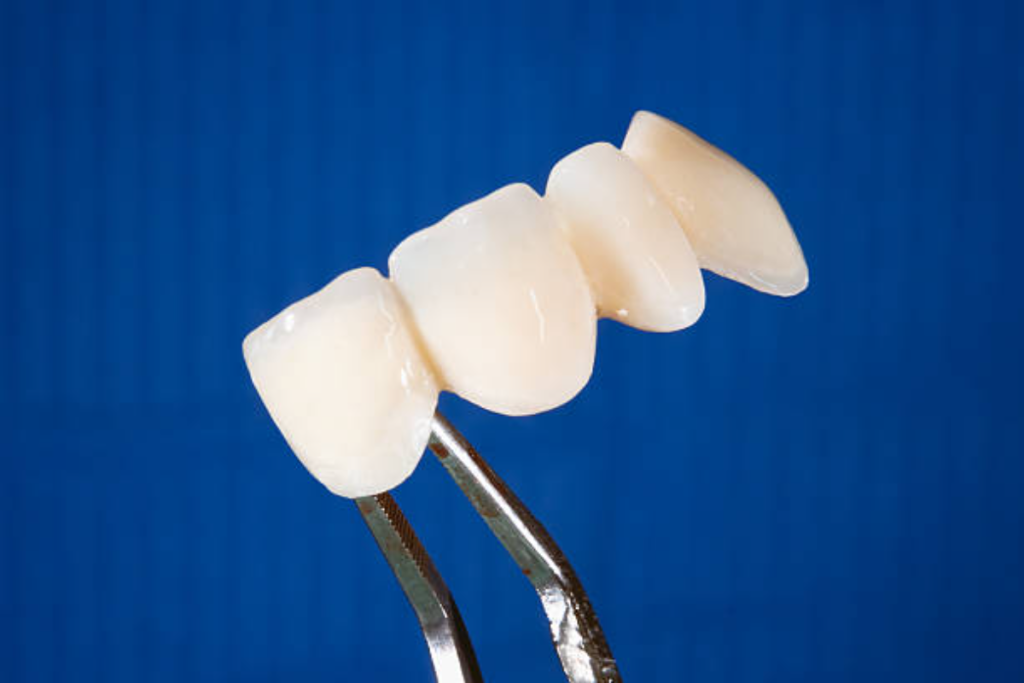
A tooth can become weakened from injury, decay, or extensive fillings. When it can no longer withstand daily chewing, a crown acts as a protective “cap,” restoring its strength and preventing further damage. Crowns can also improve the appearance of a tooth that is worn, discoloured, or misshapen.
Signs You Might Need a Crown
Not every problem requires a crown. Watch for:
- Persistent tooth sensitivity or pain
- Visible cracks or chips
- Large fillings that weaken the tooth structure
- Difficulty chewing without discomfort
A dentist in Atlanta can evaluate these symptoms and determine if a crown is the best solution.
Cracked, Chipped, or Damaged Teeth
- A cracked tooth crown can stabilize fractured teeth and prevent the crack from worsening.
- Teeth that have suffered trauma often need damaged tooth repair to restore both function and appearance.
- For smaller fractures, chipped tooth restoration may be an option, but larger or deeper chips usually require a crown.
Decay and Tooth Protection Options
When decay is extensive, a filling alone may not be enough. Tooth decay and crowns often go hand-in-hand because a crown can cover and protect the remaining tooth structure. Other tooth protection options include inlays, onlays, or veneers, depending on the damage.
Types of Dental Crowns
Choosing the right material depends on your needs:
- Porcelain or ceramic: Best for a natural appearance
- Metal: Durable, often used for back teeth
- Zirconia: Combines strength and aesthetics
Understanding types of dental crowns helps patients select the right balance between durability and appearance.
Temporary vs Permanent Crowns
Temporary crowns protect the tooth while the permanent one is being made. Understanding the difference between temporary and permanent crowns helps patients know what to expect in terms of durability and care.
Crown Procedure Steps
The treatment process is generally straightforward:
- Tooth preparation
- Digital scan or impression
- Temporary crown placement
- Final crown bonding
These crown procedure steps ensure that the tooth is fully restored and functional.
Alternatives: Dental Onlays and Inlays
Not every damaged tooth needs a full crown. Dental onlay and inlay options can be used to restore smaller areas while preserving more of your natural tooth structure.
Comparison of Several Restorative Options
| Restoration Type | Best For | Coverage | Longevity |
| Filling | Small cavities | Partial | Moderate |
| Inlay / Onlay | Moderate damage | Partial | Long-lasting |
| Crown | Severe damage, cracks, and large fillings | Full tooth | Most durable |
Finding the Right Care
Visiting a dental office near you ensures proper assessment and professional guidance. Your provider can discuss whether a crown is necessary or if alternative treatments are possible.
Wrapping Up!
Dental crowns restore strength, function, and beauty to compromised teeth. From tooth decay and cracks to aesthetic improvements, a crown can protect your smile for years. At Moores Mill Dental, we offer care that makes you feel confident and healthy and is designed just for you. Call or book an appointment with our team now!
FAQs
How long does a dental crown last?
With proper care, most crowns can last 10–15 years, sometimes even longer, depending on the material and oral hygiene habits.
Is getting a crown painful?
The procedure is typically painless because your dentist uses local anesthesia. You may feel slight sensitivity afterward, but this usually resolves quickly.
Can a tooth still get cavities under a crown?
Yes, decay can develop at the edges of a crown if proper oral hygiene is not maintained. Regular brushing, flossing, and dental checkups help prevent this.